
What Is a Temporary Power Pole?
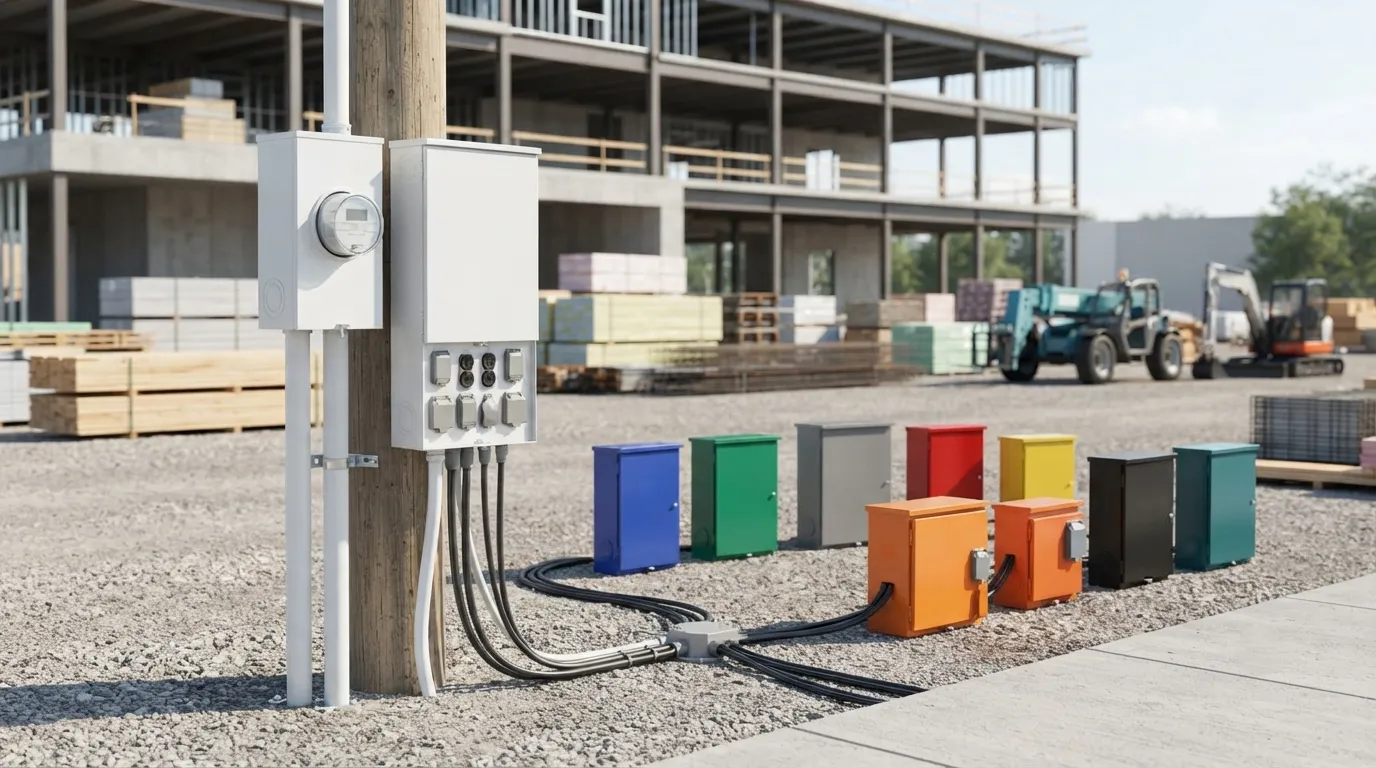
A temporary power pole, sometimes called a spider box pole or a temp pole, is a freestanding pole rigged with a meter socket, breaker panel and outlets so a job site can pull power before the building has permanent service. Most construction sites in Shreveport use one to run temporary power to saws, compressors, office trailers and lighting during the build phase. It is not the same as a generator, though many crews run both, especially when a mobile office trailer rental needs steady power for HVAC and lights, and a nearby 40ft storage container full of tools stays dry and secure regardless of which power source is running. Sizing matters here, and it is worth reviewing the construction site services list for the job before you commit to an amperage.
Sizing matters here. A 200 amp temporary power pole covers most mid-size commercial builds, while smaller residential jobs can often run on less. Placement affects everything else on site too. If the pole sits near where you park a roll-off dumpster rental or stage a construction dumpster rental, plan clearance so delivery trucks are not backing toward live conductors, and check dumpster sizes and dimensions so the swing radius does not cross the panel. OSHA 1926.404(b)(1)(ii) requires ground fault circuit interrupter protection on construction sites, and that applies directly to temporary power setups feeding hand tools and equipment.
How Does Temporary Power Pole Installation Work?
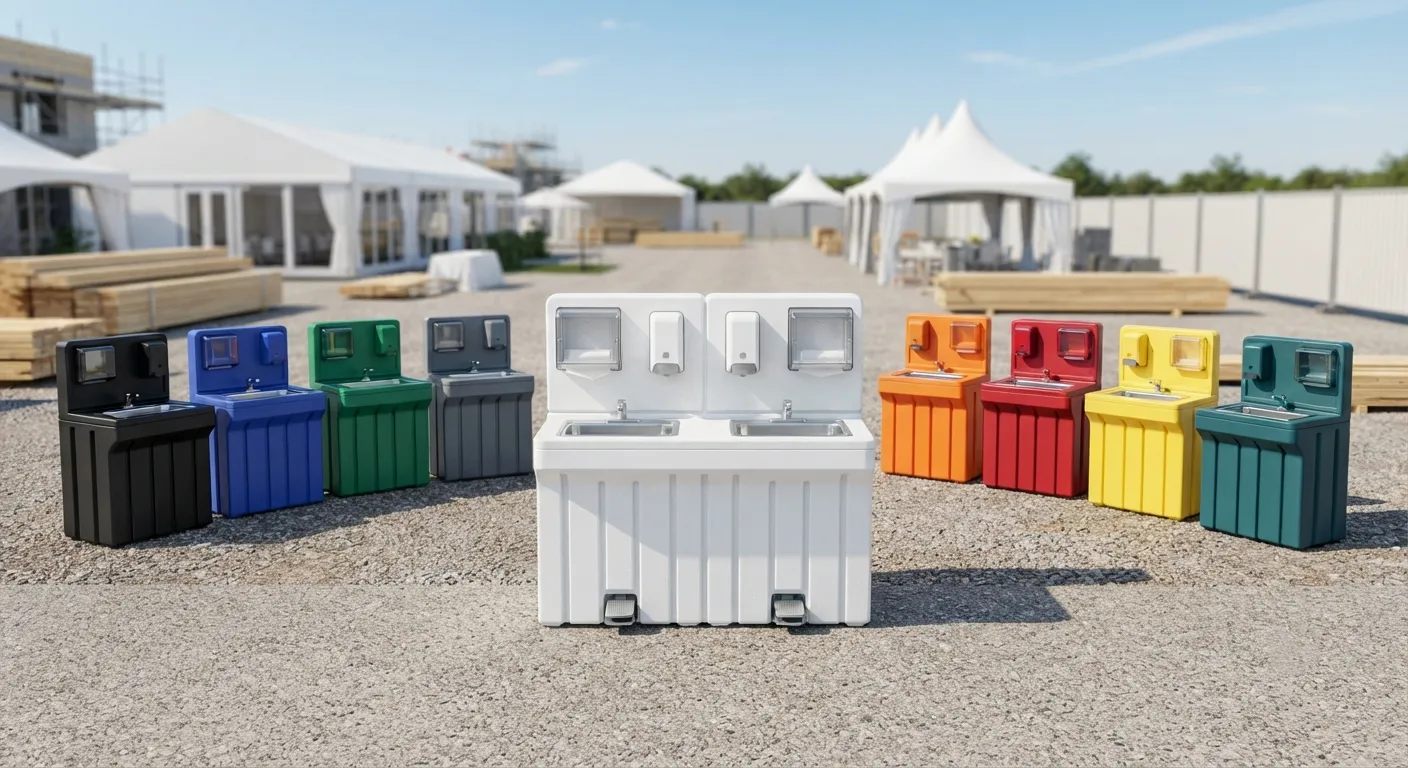
Installation starts with the utility company setting requirements for pole height, meter placement and grounding, then an electrician wires the panel to match your load. Shreveport crews typically coordinate this before other site services land, since porta potty rental in Shreveport and fencing crews need clear paths once the pole is set, and it helps to check the porta potty placement guide before staking anything. Temporary power pole installation cost varies with amperage, distance from the utility line and whether trenching is needed for underground service. A straightforward 200 amp setup on a site with the utility line close by runs less than a job needing a long trench run or a taller pole for overhead clearance. Ask your electrician for a temporary power pole diagram before the utility inspector visits, since most utilities want the panel layout and grounding shown on paper first, and the same site plan should mark where a standard porta potty rental unit and a handwashing station rental will sit. While the electrical work is scheduled, this is a good time to line up temporary fence rental or a chain link temporary fence around the pole and panel, since OSHA 1926.202 calls for barricades conforming to ANSI D6.1 around site hazards, and an energized panel qualifies. Review the OSHA portable toilet requirements page while you are mapping the site, since sanitation and power layouts often get planned in the same walk-through. Keep the work zone clear too. OSHA 1926.25 requires scrap and debris cleared from work areas, which matters when cable spools and packaging pile up near the pole.
What Are Temporary Power Pole Requirements for a Construction Site?
Requirements come from the utility company and the local electrical inspector, not from a single fixed rulebook, so confirm amperage, grounding and meter specs directly with Shreveport's permitting office before the pole goes in. A temporary power pole for a construction site generally needs a clear path for utility crews to connect service, solid ground for the pole base, and enough clearance from other equipment staged nearby, like a storage container rental or a 20ft storage container used for tool storage, and a quick look at temporary fence cost helps budget the barricade work around the panel. Crews building out a site in Shreveport often set the pole early, alongside portable restroom rental units required under OSHA 1926.51(c) for worker sanitation, and many add a porta john rental or two near the trailers for overflow. Sites near Lakeview, about 6.8 miles northwest, or Greenwood, roughly 11.0 miles west, still fall under the same utility coordination process, so distance from downtown does not change the sequence. Once the pole is energized, lighting under OSHA 1926.56(a) minimum illumination standards becomes easier to hit with a light tower rental plugged straight into the panel instead of running a separate generator, and crews planning ahead often check the how many porta potties do I need guide at the same time so both trades show up on schedule. For sites further out, the crew serving porta potty rental in Blanchard follows the same utility coordination sequence described here.
How much does a temporary power pole cost to install?
Cost depends on amperage, trenching distance and utility fees, which vary by provider and are not fixed nationwide. A 200 amp setup with the utility line nearby costs less than a job needing a long underground run. Ask your electrician for a written estimate before work starts.
Do I need a permit for a temporary power pole?
Most jurisdictions require an electrical permit before energizing a temporary pole, but exact rules differ by city department. Confirm directly with Shreveport's building or electrical inspection office before scheduling installation, since requirements are not standardized.
Can I rent a generator instead of a temporary power pole?
Yes, generators work for smaller loads or short jobs, but a temporary power pole handles higher amperage more reliably for sustained construction use. Crews running multiple trailers, tools and lighting together usually need the pole's capacity rather than a portable generator.
How long does temporary power pole installation take?
Timing depends on utility scheduling and inspection availability, which varies week to week. Electricians typically need the pole and panel ready before requesting a utility connection date, so build in lead time.
Where should the temporary power pole go on site?
Place it where the utility line reaches easiest, with clear access for inspection and enough clearance from staged equipment, dumpsters and fencing. Coordinate placement with your electrician and general contractor before other site services are delivered.
Next step
Get a delivery date
Tell us the address, the dates and the headcount. We size the order and confirm the route.