How Fast Can You Deploy After a Storm?
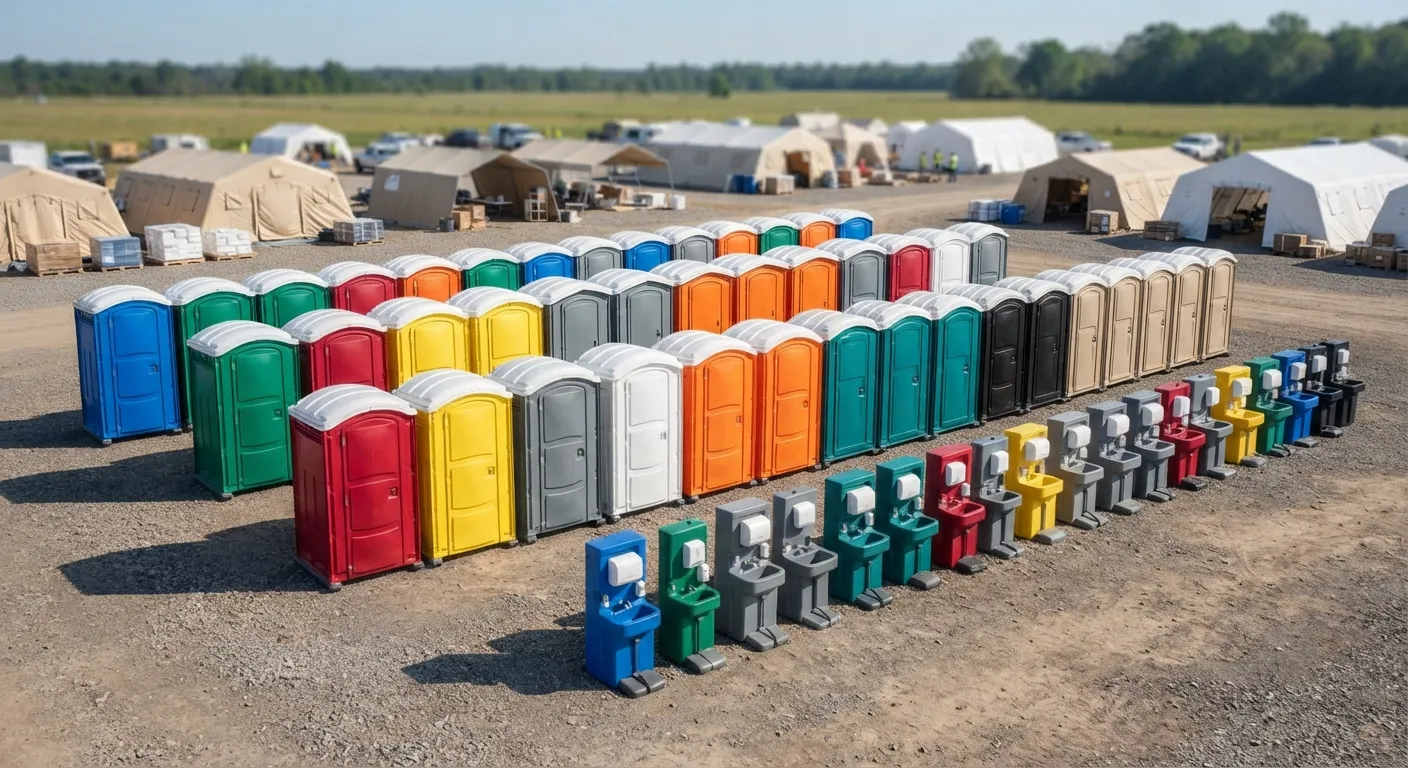
Speed matters most in the first 48 hours, when city water and lift stations are still down and people need somewhere to go besides a flooded bathroom. Shreveport Porta Pros keeps standard units staged and ready, and most emergency calls in Shreveport get a truck moving the same day. A standard porta potty rental is the fastest unit to place because it needs no water hookup and no power, which matters when a disaster has taken both out across a neighborhood. If the shelter or command post has flushable restrooms already planned, a restroom trailer rental can follow once the site is stable enough for a larger delivery. Roll-off clearance still applies during disaster response: a delivery truck needs about 60 feet of straight clearance behind it to set a unit or a container, which can be tight on a street full of debris and downed limbs. That is one reason our dispatcher walks through site access on the phone before a truck rolls, whether the drop is in Shreveport proper or out toward Lakeview, 6.8 miles northwest, or Greenwood, 11.0 miles west. Shelters also generate debris fast, and a roll-off dumpster rental staged next to a relief site keeps ruined furniture and drywall from piling up where people are trying to sleep and eat.
What Do Shelters and Relief Sites Actually Need?
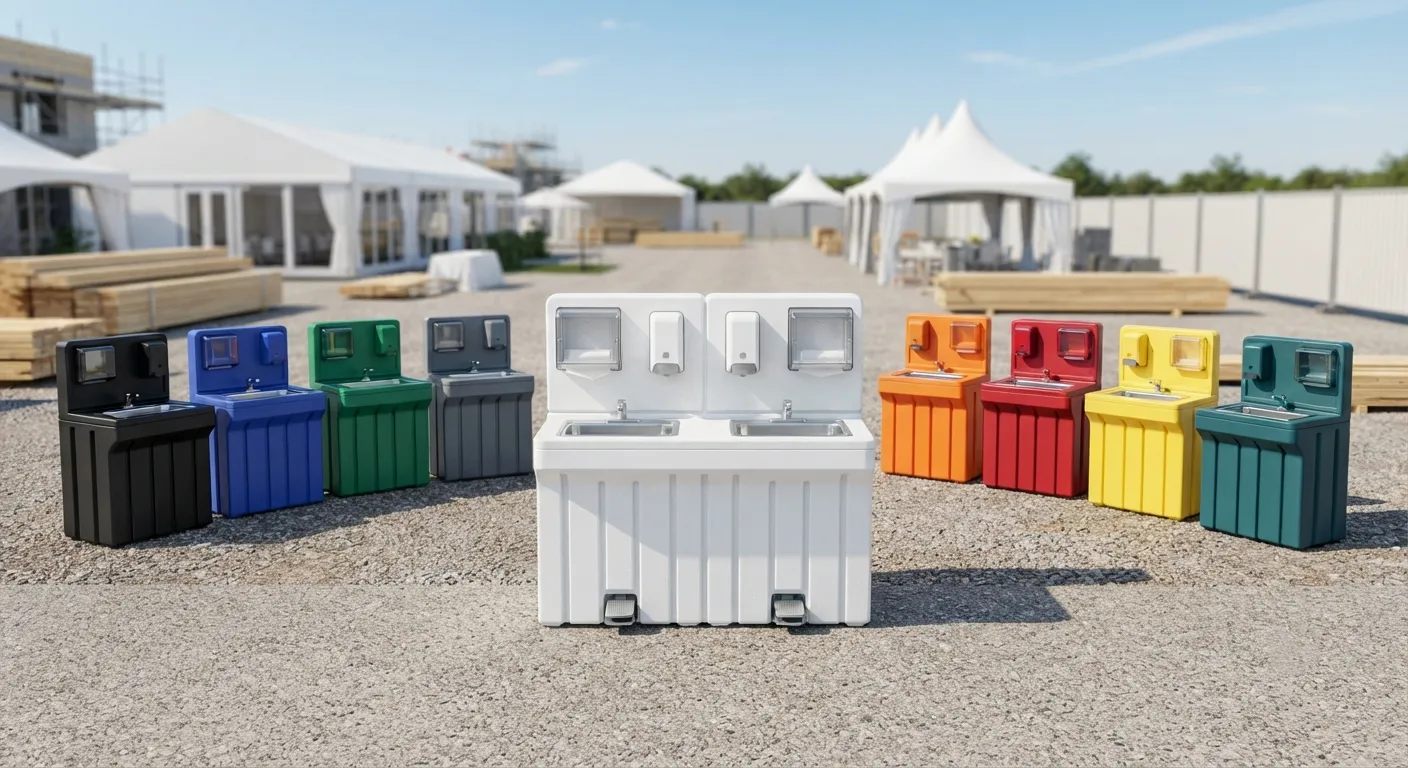
A shelter running for more than a few days needs more than toilets. It needs a place to wash hands, a place to store donated supplies, and often a fence to keep the site secure at night. OSHA 1926.51(c) sets toilet counts by headcount for work crews, and disaster shelters tend to run well past that ratio once families and volunteers start arriving, so we plan by expected occupancy, not by a fixed formula. A handwashing station rental or portable sink rental matters just as much as the toilets themselves; 29 CFR 1910.141(d)(2) requires soap and towels or a hand-drying device at any washing facility, and hand sanitizer alone does not satisfy that standard. Donated food, water, and clothing pile up quickly at a relief site, and a storage container rental keeps pallets of supplies dry and locked rather than stacked under a tarp. Sites that need to control foot traffic or keep vehicles off a staging lawn can add temporary fence rental or chain-link temporary fence panels along the perimeter. For sites without accessible entry paths already in place, we also plan around ADA Standards 405.2, which caps ramp slope at 1:12, and ADA Standards 302.1, which calls for a stable, firm, slip-resistant surface, both of which matter on wet ground after flooding.
Are Accessible Units Available for Shelters?
Yes, and they should be part of the first delivery, not an afterthought added later. Shelters and relief sites drawing families, elderly evacuees and people with mobility limitations need at least one accessible unit from day one. ADA Standards 213.2 requires that where portable toilets are clustered, at least 5 percent of the units be accessible, with a minimum of one no matter how small the cluster. Our ADA accessible porta potty units meet the clear width and turning space called out in ADA Standards 304.3.1, which requires a 60 inch turning circle, and ADA Standards 403.5.1, which sets a 36 inch minimum clear route width. Door hardware on these units follows ADA Standards 309.4, meaning it operates with one hand and without tight grasping or pinching, and ADA Standards 404.2.3 sets the minimum clear door opening at 32 inches, both details that matter for someone using a walker or wheelchair after evacuating in a hurry. If the relief effort runs longer than a few days, pair the accessible unit with a deluxe flushable porta potty for staff working long shifts, or step up to an 8 stall restroom trailer once the site has stabilized enough for a bigger footprint. Anyone budgeting a multi-week relief operation across Shreveport should look at monthly porta potty rental pricing rather than paying day rates the whole time.
How much does emergency sanitation cost during a disaster?
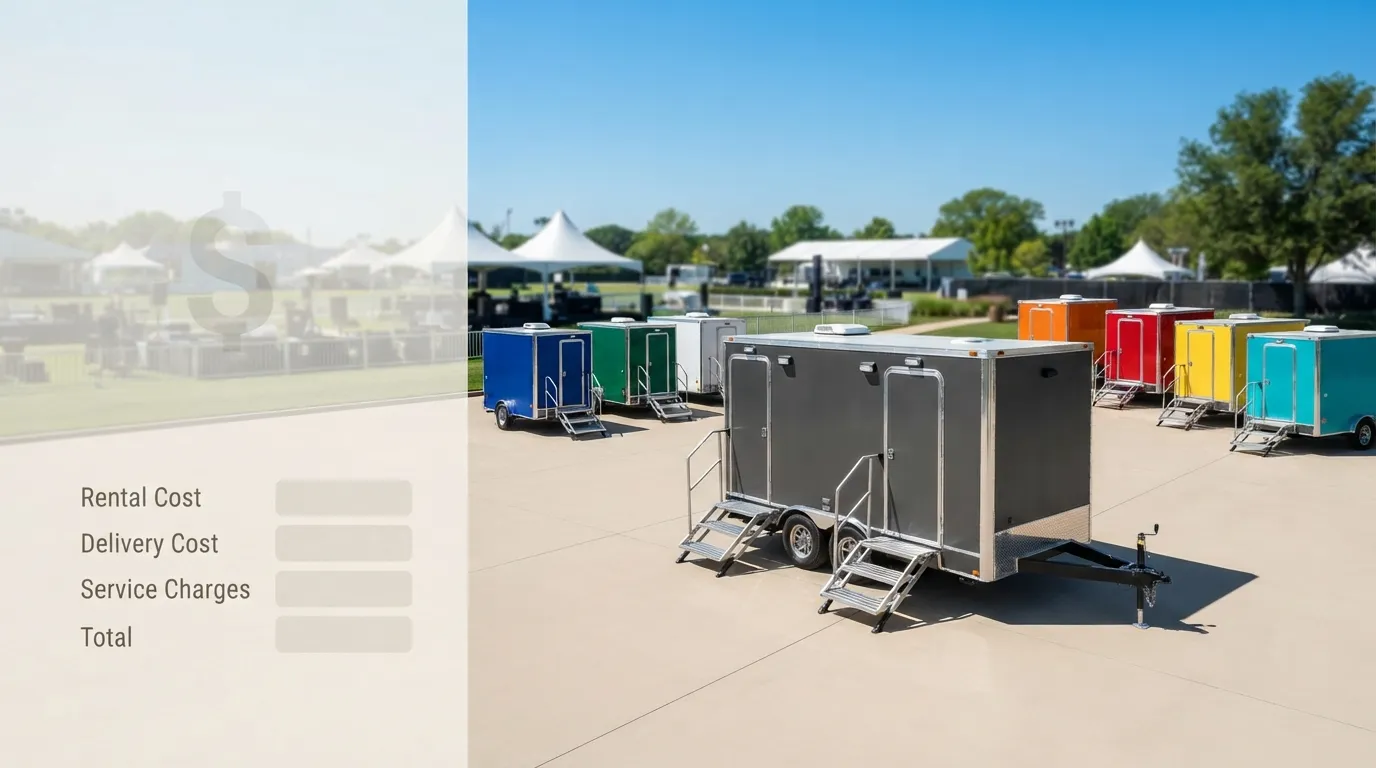
Emergency response pricing sits inside the same bands as standard rentals; a standard unit runs in the same day-rate range whether it is a jobsite or a shelter. See porta potty rental cost for the full breakdown, and expect delivery fees to reflect same-day dispatch rather than a scheduled drop.
How many units does a shelter need?
It depends entirely on headcount and how long the shelter runs. Use how many porta potties do I need as a starting point, then call so we can adjust for showers, staff, and accessible unit requirements under ADA Standards 213.2.
Can you deliver to a rural area outside Shreveport during a disaster?
Yes. We already run routes out to towns like Blanchard, 13.7 miles northwest, and Haughton, 20.5 miles east, so a relief site in those areas is not a special case for us.
Do you provide septic pumping if a tank fails during flooding?
Yes. Flooded or overwhelmed tanks need pumping fast to avoid backup into the shelter or home. See septic pumping service or emergency septic service for dispatch details.
What if the relief site has no power or water at all?
Standard units need neither, which is why they go first. Add a light tower rental or temporary power pole once generators or grid power come back for the site.
Next step
Get a delivery date
Tell us the address, the dates and the headcount. We size the order and confirm the route.