
How do porta potties work?
The design is simple on purpose. A molded plastic shell, about 44 by 48 inches on the ground and 92 inches tall, sits over a sealed holding tank. There's no flush handle on a standard porta potty rental because there's no water to flush with. Waste drops straight into the tank, where a blue or green chemical breaks down solids and knocks back the smell. A vent stack pulls odor up and out through a filtered pipe instead of letting it sit in the stall. When the tank nears capacity, a service truck arrives, pumps it dry, rinses it, and drops in fresh chemical. For a busy job site, that means a Shreveport crew pouring concrete near I-20 never has to worry about the unit filling mid-shift. Curious about the setup cost before you commit? Check porta potty rental cost or porta potty rental per day for the numbers.
How do flushable porta potties work?
A deluxe or flushable unit adds a small onboard freshwater tank and a foot pump or pressurized flush, so waste gets rinsed down into the holding tank instead of dropping dry. That cuts odor further and feels closer to a home bathroom. The deluxe flushable porta potty still needs the same pump-out service as a standard unit, just with a bit more water to remove each visit. Weekly pricing for a deluxe unit generally runs higher than a standard rental because of the added plumbing and servicing time.
| unit | day | week |
|---|---|---|
| standard | $100 - $350 | $130 - $500 |
| deluxe | $85 - $1200 | $150 - $290 |
An ADA accessible porta potty works the same way internally but adds a wider door and floor space to meet turning-circle needs. ADA Standards section 304.3.1 calls for a 60 inch turning circle, and section 404.2.3 sets minimum door width at 32 inches, so accessible units are built larger to fit both. If you're clustering multiple toilets for an event, ADA Standards section 213.2 requires at least 5 percent of the cluster to be accessible, never fewer than one unit.
How does a portable sink work?
A portable sink rental or handwashing station rental pairs a freshwater reservoir, usually gravity-fed, with a foot pump or hand crank that pushes water through the tap. Wastewater drains into a separate holding tank underneath, so nothing touches the ground. Soap and paper towels sit in dispensers built into the unit. 29 CFR 1910.141(d)(2) requires washing facilities to have soap and towels or a hand-drying device, so hand sanitizer alone doesn't satisfy that standard on a work site. For crews doing painting or applying coatings and herbicides, OSHA 1926.51(f)(1) specifically requires washing facilities because of the contaminant exposure, which is a separate rule from general sanitation. If you just need sanitizer stations instead of full handwashing, hand sanitizer station rental covers that, though it won't meet the same standard for painting or chemical work. See handwashing requirements for the fuller breakdown.
What chemicals go in a porta potty?
The chemical dropped into the tank after each pump-out is a deodorizing, waste-digesting formula, usually blue or green dye with a biocide that slows bacterial odor and breaks down solids so the tank doesn't foam or back up. It's not the same product used in a septic tank cleaning chemical treatment at a house. That's a separate category built to keep a residential system's bacteria balance healthy over years, not weeks. A residential septic tank is typically pumped every 3 to 5 years depending on tank size and household size, which is a much longer interval than a rented porta potty's weekly service cycle under ANSI/PSAI Z4.3, the baseline standard covering up to 10 users over a 40 hour week. If your Shreveport property needs the tank side handled, septic pumping service and septic tank cleaning are separate services from anything rented here. A grease interceptor, by comparison, gets pumped once fats, oils, grease and solids reach 25 percent of the liquid depth, tracked separately through grease trap pumping.
On a job site, OSHA 1926.51(c) sets the toilet ratio: one unit per 20 workers or fewer, stepping up to one toilet seat and one urinal per 40 workers, then per 50 once a crew hits 200 or more. That's why a construction worker running to a porta potty on a 35-person framing crew near Lakeview, about 6.8 miles northwest of Shreveport, shouldn't be waiting in a line if the count is set right. Run the numbers with how many porta potties do I need or the full breakdown at OSHA portable toilet requirements.
Camping trips work differently. A camping porta potty sees lighter, irregular use over a weekend instead of daily crew traffic, so a single standard unit often covers a family site without needing the same turnover as a jobsite unit near Greenwood, 11.0 miles west of Shreveport. For weekend rentals broadly, see porta potty rental per day for how the short-term rate compares.
How often do porta potties get cleaned?
Service intervals follow ANSI/PSAI Z4.3's baseline of one visit per week for up to 10 users over a 40 hour week, though busier sites in Shreveport often get serviced more. Full details are at how often are porta potties cleaned.
Do porta potties smell?
Some odor is normal between services, but the vent stack and chemical treatment are built to control it. Placement matters too, away from direct sun and entry doors. See do porta potties smell for what actually helps.
Can I rent just one porta potty for a weekend?
Yes. A single standard unit works for small backyard events or short home projects. Weekend rates run higher than a weekday day-rate because of the compressed delivery and pickup window. Check home renovation porta potty for that use case.
Is a permit required to place a porta potty in Shreveport?
Placement in the public right of way needs confirming with the city directly. See porta potty permit requirements and porta potty placement guide before delivery day.
What is the difference between a porta potty and a restroom trailer?
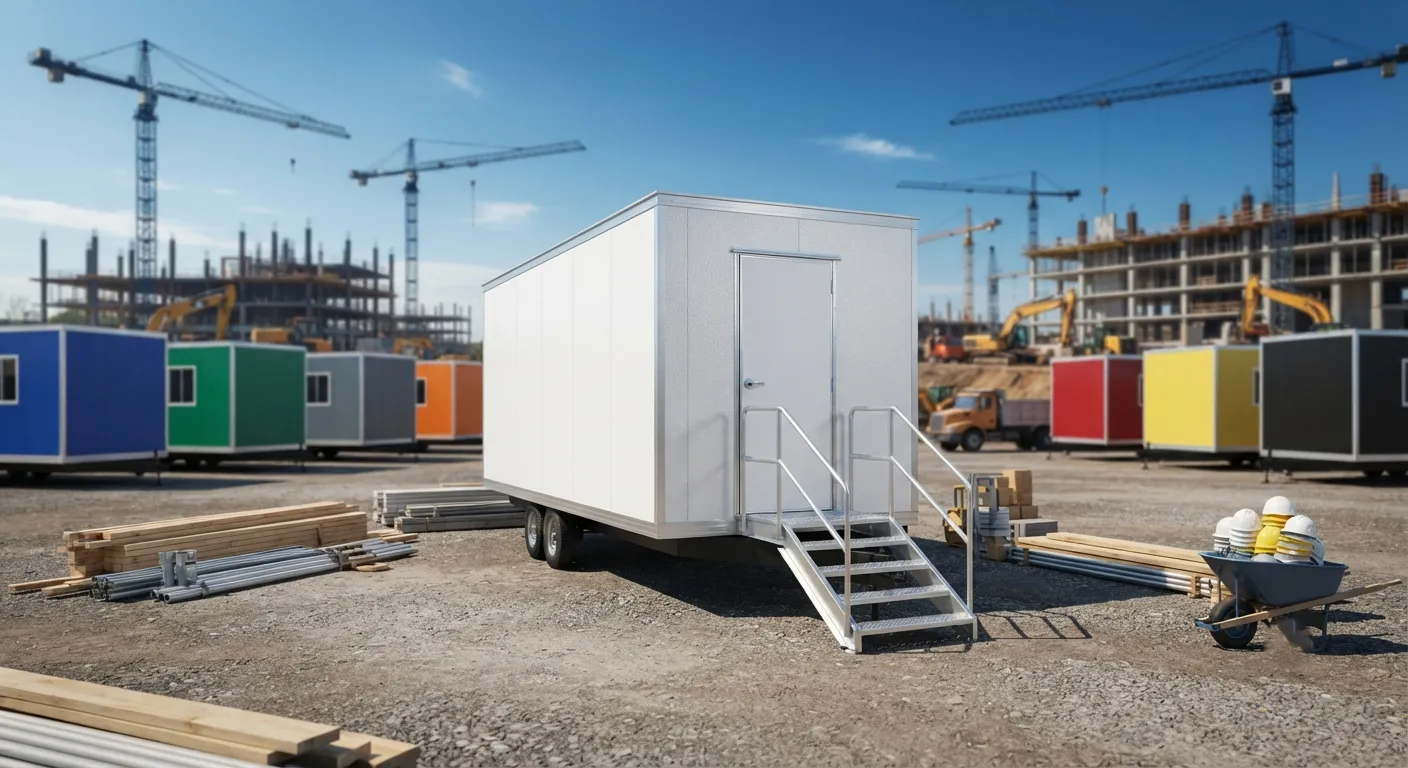
A porta potty is self-contained with no plumbing hookup; a restroom trailer rental has flushing toilets, sinks and often climate control, wired to a generator or power source. Trailers suit weddings and larger events better than standard units.

Next step
Get a delivery date
Tell us the address, the dates and the headcount. We size the order and confirm the route.